
You are currently viewing Retail Personalization Software: Turning Personalization Into Profit

Retail Personalization Software: Turning Personalization Into Profit

Modern retail isn’t just about being digital-first. It’s about being customer-first.

Shoppers can find almost anything with a few taps on their phone. Same products. Same prices. Same delivery options. So the real difference comes down to how the experience feels when they interact with your brand.

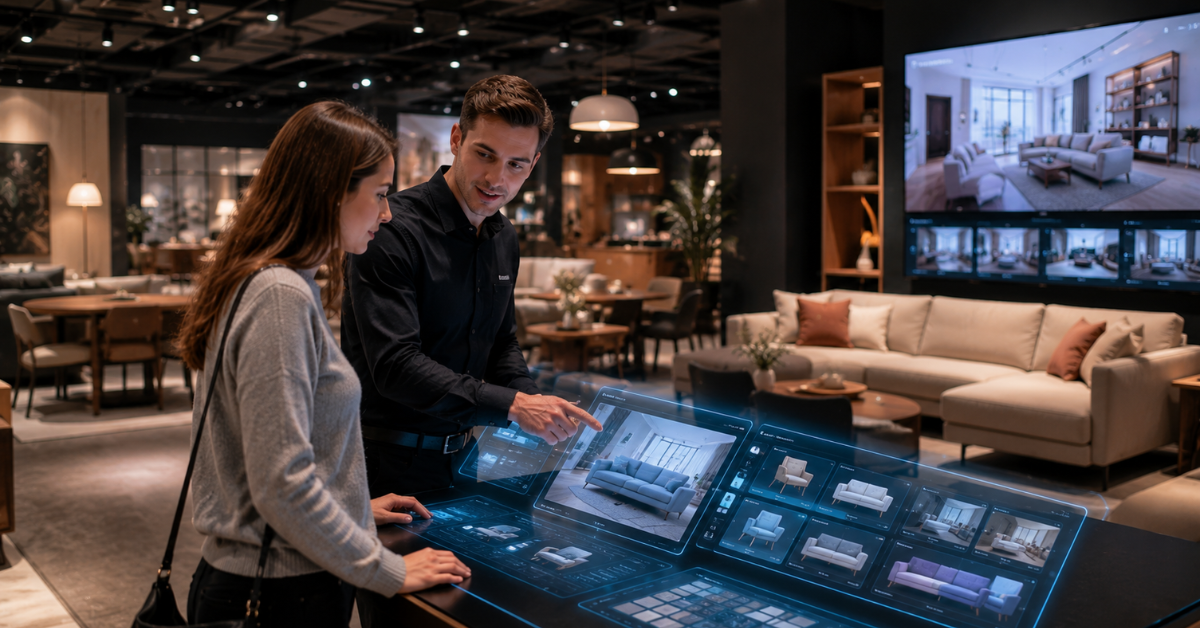
Turning a routine visit into a true personalized shopping experience retail teams can be proud of takes more than friendly service. It takes the right tools working in the background. Tools that remember preferences, connect past purchases, and help associates respond in the moment.

It is exactly what modern retail personalization software is built to do.

With smart, data-driven insights, stores can move from guesswork to clarity. They can deliver customer personalization retail strategies that appear natural rather than forced.

And when those insights are used well, they become practical, personalized retail solutions that drive real results: stronger relationships, higher sales. Customers who come back because the experience simply felt better.

Personalization is the New Retail Baseline. Here’s Why!

Personalization does something simple but powerful. It makes people feel understood.

When a brand remembers your preferences or picks up on your style, it builds trust. You feel seen, not just sold to. And that feeling brings people back. Most shoppers are far more likely to buy from brands that recognize them and remember what they like (Epsilon).

In crowded markets, customer personalization retail becomes the separator. Products can be copied. Prices can be matched. But a thoughtful, relevant experience is harder to replicate. That’s what gives retailers an edge.

And then there’s the practical side. Personalization doesn’t just feel good. It drives revenue.

Retailers that do personalization well often grow faster than their competitors (McKinsey). When retail personalization software suggests items based on past purchases or browsing habits, shoppers naturally discover more. Maybe they will add a matching accessory. Maybe they will try a new product they hadn’t considered before.

That’s how a strong personalized shopping experience that retail teams deliver turns small moments into bigger baskets. Over time, those moments add up. More visitors. More purchases. Stronger loyalty!

Bringing E-Commerce Insights In-Store

Not long ago, online and in-store data lived in separate worlds.

A customer could browse products on your website for weeks, then walk into the store, and the associate would have no clue. All that insight just sat in the cloud, unused. That gap is now closing.

Today’s personalized retail solutions connect those dots.

Okay, imagine this. A shopper looks at a pair of sneakers online the night before. The next day, they walk into the store and get a gentle reminder about the same pair. Or the associate greets them with, “Hey, we just got your size back in.” It feels thoughtful. Almost effortless, isn’t it? That’s what happens when retail personalization software brings online behavior into the physical space.
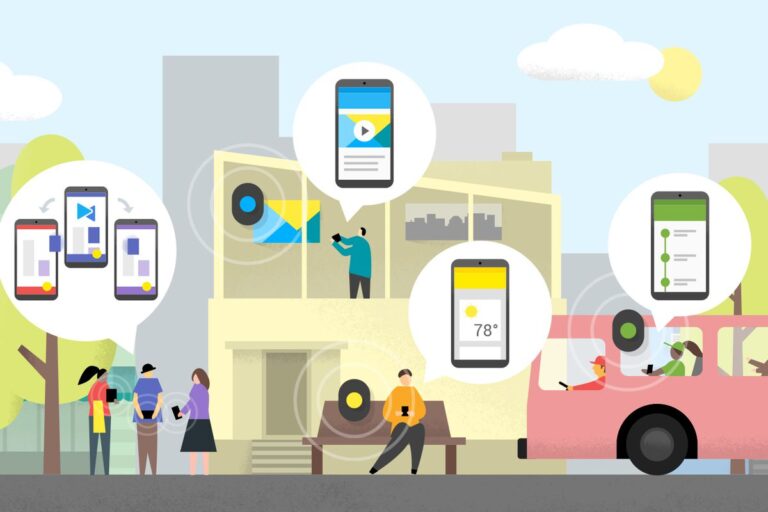
Some stores use mobile apps or in-store alerts to recognize loyal customers as they arrive. Others equip associates with tablets that show purchase history and loyalty status in real time. The associate is not guessing anymore. They’re picking up the conversation right where it left off.

This is how you deliver a true personalized shopping experience retail customers notice immediately. The convenience of online shopping combined with the warmth of in-store service!

Data: The Engine Behind Personalized Retail

There’s one simple ingredient at the heart of personalization: DATA.

Not random data, of course. Connected data. Something that builds a clear picture of each shopper over time. When online browsing and in-store purchases come together, patterns start to emerge. And those patterns make personalization feel natural.

For example, if someone bought a suit last month, the system can gently suggest a matching belt or shoes today. That’s how retail personalization software turns history into helpful recommendations. It feels less like selling and more like remembering.

But data does more than power recommendations.

It also helps retailers understand how people move through the store: Where they linger. Which displays grabs attention. Which shelves stay unmoved? These small signals shape smarter decisions about layout, staffing, and product placement. With retail inventory software connected to core systems, stores can ensure the right items are in the right place when shoppers need them.

Then comes the forward-looking part.

Predictive analytics uses this information to spot trends before they peak. Maybe demand for jackets rises every October. Perhaps certain products sell faster after a holiday weekend. With strong customer personalization retail insights, retailers can prepare inventory and send timely offers when interest is about to spike.

The power of personalized retail management tools lies here. They turn guesswork into planning. They make sure the suggestion you give a customer isn’t just relevant. It’s actually available. It is, after all, what creates a reliable personalized shopping experience retail customers trust.

Veras Affinity: Scaling the Personal Touch with Associate-Driven AI

Here’s where personalization really comes alive. Not in dashboards. Not in reports. Right on the store floor. That’s the role of Veras Affinity. It’s retail personalization software built for the frontline that interacts with shoppers every day. The associates. The ones who remember faces and all the little details that matter.

What makes Affinity different is simple. It learns from them.

Affinity blends AI with real human insight. Every interaction helps the system get smarter. Over time, it starts to feel less like software and more like a trusted assistant standing beside the associate. Let’s walk through what that looks like in practice.

  • Quick Tips & Recommendation Factors

The moment a customer walks in, the associate sees helpful context. Something like “Sarah’s birthday is coming up. Suggest a gift bundle.” That kind of context turns suggestions into conversations!

  • Weighted Smart Algorithms

Behind the scenes, the system keeps learning, studying purchases, visits, preferences, and patterns. Over time, it learns what matters most to each shopper: style, size, occasion, and budget. That is how retail personalization software delivers recommendations that are surprisingly accurate.

  • Associate Input

Human touch matters. After making a recommendation, the associate can note whether it worked. Did the customer love it? Did they pass? That feedback feeds back into the system. It’s a simple loop, but each interaction makes the next one smarter.

  • From Insight to Purchase

And when the moment is right, the transition to buying is seamless. With mobile checkout integration, associates can add items to a cart or wishlist instantly. If something isn’t in stock, the system can find it elsewhere and arrange delivery or pickup.

Veras Affinity helps stores turn every shopping trip into a “just-for-you” experience customers remember. The warmth of a boutique. The efficiency of modern tech. All working together as personalized retail solutions that turn good service into lasting loyalty!

FAQs

What is retail personalization software?

Think of it as the brain behind a better shopping experience. It pulls together customer data: purchases, browsing, loyalty activity, etc. Then it uses that insight to suggest products and offers that actually make sense for each person. The goal is simple: make every interaction feel like the brand remembers you.

When people feel understood, they stick around. It’s that simple. A strong personalized shopping experience retail teams deliver builds trust and loyalty. And that loyalty shows up in the numbers. Customers tend to buy more, come back sooner, and explore more of what you offer. It’s not magic. It’s relevance.

Yes! In fact, that’s where it shines. Modern personalized retail solutions bring online-level insight right into the store. Associates can see past purchases and loyalty status on a tablet and make helpful suggestions on the spot. The experience feels human, but it’s powered by smart data.

It’s a mix of everyday signals. Transaction history, loyalty activity, website visits, and even how customers move through the store. All of that comes together into one profile. That’s what makes customer personalization retail work. The richer the picture, the more accurate the suggestions!

Keep it transparent and respectful. Let customers choose how the data is used. Explain the value clearly. Focus on helpful suggestions, not surveillance. When personalization feels like good service, people welcome it. That’s the sweet spot for ethical personalization.