
In current retail, the retail customer experience is what sets brands apart. Prices can be matched. Products can be copied. But how a shopper feels stays with them. From the first moment they browse your site to the second they leave your store, every touchpoint adds up.
That experience needs to feel easy and connected. Customers expect things to work the same way online and in-store, without friction or surprises. The right customer experience POS and retail POS solutions make all the difference. When systems talk to each other, the journey becomes smoother rather than being stitched together.
We’ll break down what a modern retail POS system means for customer experience today. We’ll explain why it’s become critical for survival, and share practical ways POS software for retail stores can help create experiences customers actually enjoy and remember.
Defining the Modern Retail Customer Experience
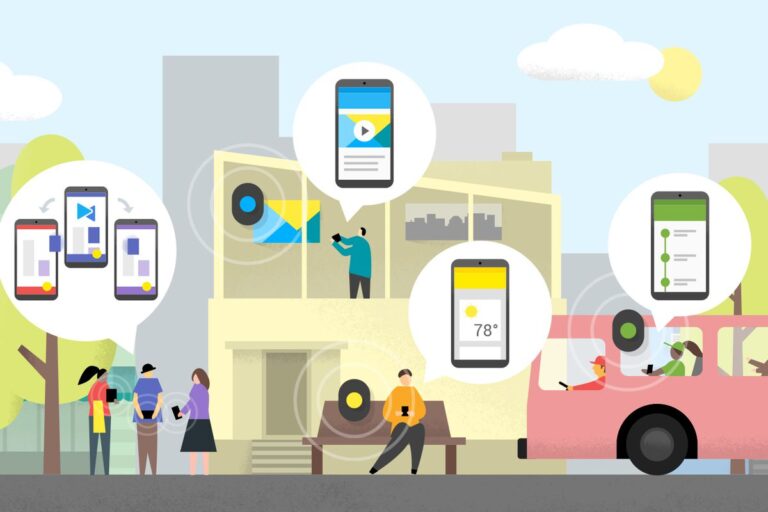
The retail customer experience is everything a shopper goes through with your brand: online, in-store, and all the moments in between. It’s no longer a neat, straight path. People move fluidly between screens and stores, and they expect a “seamless” experience.
A good experience comes down to a few basics. Speed matters. Personalization matters. Consistency matters. Shoppers want quick checkouts, recommendations that make sense, and the same level of service whether they’re scrolling on a phone or standing at the counter.
This is where a customer experience POS plays a significant role. It acts like the central nervous system, connecting inventory, loyalty, and orders behind the scenes. When that connection works, every interaction feels “seamless.” And when it doesn’t, customers feel that too immediately.
Why Experience Matters More Than Ever (The Stakes)
Experience now carries as much weight as the product itself. Most shoppers say how a brand makes them feel matters just as much as what it sells. And the moment friction shows up, patience runs out fast. Long checkout lines, empty shelves, siloed systems — those minor annoyances add up, and plenty of shoppers have switched brands because of them.
On the flip side, when the experience is smooth, people stick around. Shoppers who move easily between online and in-store channels tend to spend a lot more than those who only shop one way. Over time, they’re also far more valuable. They return more often and remain loyal longer.
That’s why technology plays such a big role here. A modern retail POS system isn’t just a place to take payments anymore. It’s the backbone of good service. It supports the features customers now expect, such as curbside pickup or buy online, pick up in store, without breaking inventory or pricing behind the scenes.
When everything works together, convenience feels effortless. In the modern era of retail, that very experience is what keeps customers choosing you over competitors.
Best Practices for Elevating the Experience
Unified omnichannel strategy. Customers don’t think in channels, so retailers shouldn’t either, online and in-store need to be one continuous experience. Carts should carry over. Prices and promotions should match. Loyalty rewards should work everywhere. Most shoppers research online before entering a store, and many use their phones in the aisles to compare prices. When inventory and data stay in sync, customers can move between channels without friction. Retailers who get this right see much stronger retention because the experience feels consistent rather than disjointed.
Empowered associates. The best experiences don’t happen behind a counter. They occur in the aisle. Providing teams with POS software for retail stores on mobile devices enables them to assist customers wherever they are. Associates can check inventory, suggest products, and complete a sale on the spot. Shoppers notice this. When staff have the right tools, service feels faster, more personal, and more confident.
Flexible fulfillment. As mentioned earlier, convenience is no longer optional. Customers expect options like BOPIS, curbside pickup, and ship-from-store. Many shoppers already use curbside pickup regularly, and that number continues to grow. When e-commerce and store systems are connected, customers can order as they prefer and have items delivered to their preferred location. Easy returns matter, too. Letting shoppers return online purchases in-store removes friction and builds trust.
Self-service options. Sometimes customers just want to move quickly. Self-checkout and kiosks give them that choice. A large share of shoppers prefer self-service over waiting in line, and a flagship point-of-sale system supports this without disrupting the rest of the store. Self-service speeds things up for customers and frees associates to focus on selling, advising, and solving problems.
Taken together, these practices create a flexible, human retail experience. And it is what keeps customers coming back.
Veras Extend: Strategy into Action
Veras Extend takes everything C-suite executives discuss in strategy meetings and puts it directly into associates’ hands. It’s part of our retail POS solutions lineup that turns ideas into everyday action on the sales floor.
When Extend runs on a tablet, the handheld device becomes a full register. Not a limited version. A real one. Associates can ring up sales anywhere, pause a transaction, and resume it without disrupting the flow. It feels natural, like the counter finally came to the customer instead of the other way around. With the endless aisle feature, if something isn’t on the shelf, staff can search for the entire inventory from the app and ship the item from another location. Hence, no lost sales, no awkward apology!
Extend also connects with Veras Affinity for clienteling. It means associates can offer personalized recommendations and see a complete view of the product based on customer data, right when it matters most. And when speed is the priority, the same app can run as a self-checkout kiosk. Set it up on a customer-facing tablet, and shoppers can pay and print receipts on their own.
Put it all together, and this modern retail POS system becomes much more than a checkout tool. With Veras Extend, it becomes a customer-first platform that enables smoother selling and better engagement across the store.
FAQs
1. How important is customer experience in retail?
It’s everything. Retail customer experience now matters just as much as what you sell. Most shoppers say they’ll walk away after a bad experience, even if they like the product. A smooth, thoughtful experience builds loyalty. Friction pushes people out the door.
2. How crucial is personalization?
At this point, it’s expected. Shoppers want brands to recognize them and respond accordingly. When personalization is missing, frustration sets in fast. A strong customer experience POS helps make this practical by surfacing the right information at the right moment, so interactions feel relevant instead of generic.
3. What do customers expect from fulfillment today?
Flexibility. People want options such as ‘Buy Online, Pick Up In Store’, curbside pickup, or fast shipping from nearby locations. Meeting these expectations takes connected systems. That’s where modern retail POS solutions matter. When inventory, orders, and the store all stay in sync, fulfillment doesn’t get messy.
4. Do shoppers really want self-checkout?
A large share of shoppers prefer self-service because it saves time. A modern retail POS system supports this without disrupting the store. Self-checkout handles speed-focused shoppers, while associates focus on service and selling. It’s a win on both sides!
5. Do customers use their phones in-store?
All the time. Shoppers compare prices, read reviews, and check availability while standing in the aisle. That’s why POS software for retail stores needs to keep pricing and inventory consistent across channels. Mobile tools, both for customers and associates, help bridge that gap.