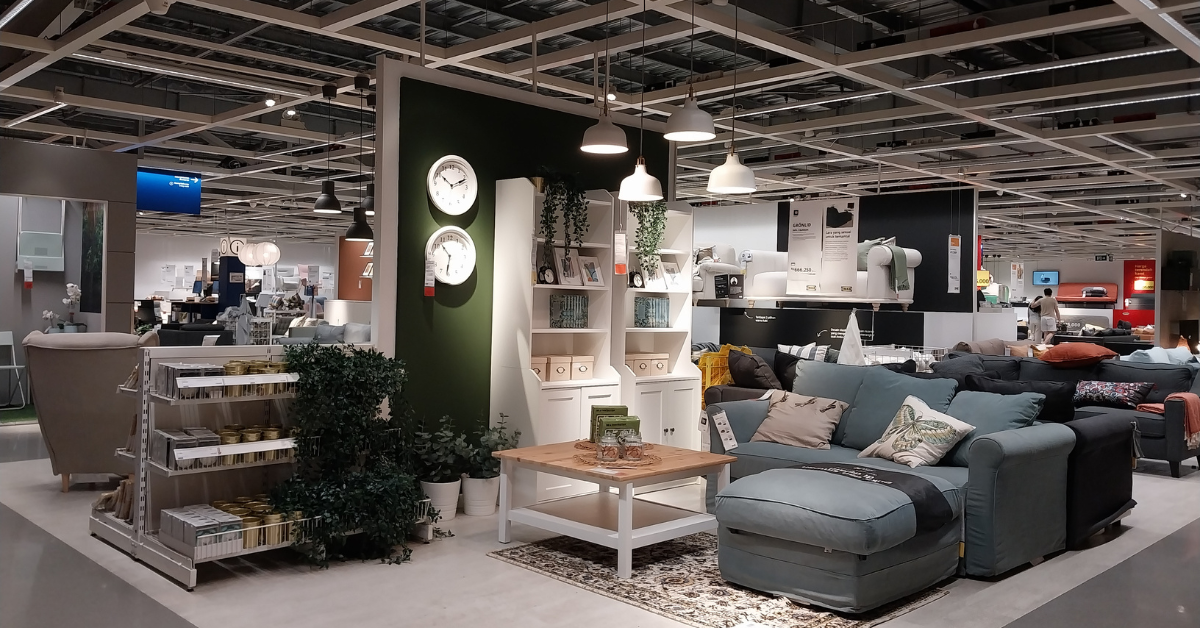
Furniture shopping isn’t like grabbing a shirt on sale. People don’t wander into a showroom every weekend just for fun. A sofa, a dining table, a bedroom set: these are big decisions. Big price tags. Long timelines. Most customers show up only when they need something, and they’ve usually done a lot of thinking before they walk through the door.
That makes every visit count. If someone comes in today and you don’t stay connected, it might be years before you see them again. So the real question is this: How do you stay relevant between those rare showroom visits? How do you build trust when the buying cycle is long and emotional?
Instead of treating a visit like a one-time transaction, retailers use furniture retail clienteling software to turn associates into trusted advisors. Less “salesperson”, more “design partner”. Associates can track preferences, room dimensions, style notes, past purchases, and follow up with thoughtful suggestions. When the associate follows up with something relevant to the customer’s space and taste, it feels personal. Not pushy.
In a category where purchases are infrequent but deeply personal, relationships matter more than ever. Clienteling for furniture retail chains makes sure those relationships don’t fade between visits, because it is how you turn a single showroom visit into years of loyalty.
The Unique Challenge of Selling Big-Ticket Furniture
Furniture is a different beast. It’s high-ticket and low-velocity. People don’t replace a sofa every season. A dining set might stay in a home for a decade. That means natural repeat traffic is limited from the start.
Once a shopper walks out of your showroom, you may not see them again for a long time. They might compare options. Or they might drift toward another brand. The journey isn’t exactly a neat funnel, but more of a loop. Interests fade and resurface. The retailers who win are the ones who stay in that loop.
That’s why clienteling for furniture retail chains matters so much. You’re not just selling a product. You’re building a relationship that keeps your brand top of mind months, even years, after the first visit. Luxury furniture brands understand this well. Some showrooms feel like art galleries. Others feel like hospitality lounges. The goal is emotional connection. If people linger, they bond. And if they bond, they remember you.
But ambience alone isn’t enough. When the customer is finally ready to buy, you have to be the obvious choice. That only happens with consistent, high-touch service, where associates remember customer preferences and follow up thoughtfully.
This is where furniture retail clienteling software and AI clienteling for furniture retail chains step in. They help teams track conversations and timelines so nothing slips through the cracks. The right clienteling software for furniture store chains ensures that when a customer comes back, the staff doesn’t start from zero. And in furniture retail, that continuity makes all the difference.
Closing the Gap with Clienteling Software for Furniture Stores
Instead of waiting for customers to wander back in, you stay connected. That’s what clienteling for furniture retail chains is really about. Associates don’t just ring up sales; they also follow up, suggest, and guide.
Proactive, Personalized Outreach
When an associate builds a real profile, be it room dimensions, style preferences, past purchases, or even budget range, they’re not guessing anymore. They can reach out at the right moment with ideas that actually make sense.
And this isn’t a theory. Retailers using retail clienteling software consistently see higher engagement. One luxury furniture brand set one-to-one emails from a dedicated design expert and saw open rates between 56 and 66%. That’s not mass marketing. That’s relationship marketing. It feels different because it is different.
Deeper Customer Understanding
In furniture retail, relationships don’t just support sales. They create them. Good clienteling software lets associates log everything that matters. Does the customer have kids? Pets? A small apartment? A modern aesthetic? Those details shape recommendations later.
Picture this. A customer mentioned they just adopted a puppy. A few weeks later, the associate sends a curated collection of pet-friendly sofas. Not a generic sale. A thoughtful suggestion. That kind of relevance builds trust.
And trust drives results. Retailers who invest in AI clienteling for furniture retail chains often see higher retention and larger average orders. Every personalized touch makes it more likely that the customer comes back when it’s time for the next big purchase.
Working Smarter: AI Clienteling for Furniture Retail Chains
Collecting customer data is one thing. Actually using it well is another. That’s where AI clienteling steps in. Good AI doesn’t just store information. It looks at patterns and asks, “What makes sense next?” If someone just bought a sofa, the system can suggest matching end tables, a rug in the same color family, perhaps even lighting that completes the room.
The smartest systems go deeper than surface preferences. With modern clienteling tools, associates can capture the why behind a purchase. Maybe the customer is having a baby. Maybe they prefer sustainable materials. Maybe they’re furnishing a vacation home. That context trains the AI to make suggestions that actually fit real life, not just a style category.
And when recommendations fit real life, they feel natural.
Imagine the system notices a customer’s birthday coming up. It nudges the associate with a reminder and suggests a curated bedroom refresh. The associate reaches out with ideas that feel personal and not promotional. That kind of personalization doesn’t just feel good. It drives results. Most retailers say tailored recommendations increase average order value.
Done right, AI-powered furniture retail clienteling software makes the experience feel like working with a trusted interior designer. Not a salesperson pushing inventory. And when customers feel understood, they come back. It’s how clienteling for furniture retail chains turns one big purchase into a long-term relationship.
Veras Affinity: Empowering the Furniture Sales Expert
Now let’s talk about what this looks like in practice. Veras Affinity is built specifically as clienteling software for furniture store chains. It understands that big-ticket retail is different. Longer cycles. Bigger decisions. More emotion is involved. Here’s how it supports the associate on the floor.
- Associate-Driven AI
Affinity blends smart algorithms with real associate feedback. If a recommendation hits the mark, the associate can confirm it. If it misses, they can adjust. Over time, the system learns from the people who know customers best. It’s what makes AI clienteling actually useful.
- Preferences, Quick Tips, Recommendation Factors
When a customer profile opens, associates immediately see style preferences and practical notes. Maybe the customer leans mid-century modern. Perhaps they’re furnishing a home office. Or they just moved. The “Recommendation Factors” explain why a product is being suggested. That little context turns a sales pitch into a meaningful conversation.
- Endless Aisle / Global Search
No furniture store can display every fabric, finish, or configuration. Affinity’s global search looks across the full enterprise catalog. From a tablet, an associate can pull up options from other locations or warehouses in seconds. That endless-aisle capability is crucial in clienteling for furniture retail chains, where customization and choice matter.
- Seamless Checkout
When the customer is ready, the associate doesn’t have to walk away to close the sale. Veras Affinity connects directly with Veras Extend for assisted selling and mobile checkout. The associate can build the order right there on the showroom floor. Save it to a wish list, finalize it, adjust configurations – all without breaking the flow.
Put all of this together, and you get a practical toolkit that turns sales associates into confident consultants. Retailers who invest in retail clienteling software like this don’t just sell products. They create experiences that stand out in a crowded market. And in furniture, that difference matters a lot.
FAQs
Q. How quickly can a furniture chain implement clienteling software?
Most modern platforms are modular, which keeps things moving. A furniture retail clienteling software rollout can often happen store by store in a matter of weeks. Since it builds on your existing systems rather than replacing them, many retailers begin to see pilot results within a couple of months. It’s a phased upgrade.
Q. How does Veras Affinity differ from a generic CRM?
A generic CRM stores contact details. Veras Affinity is built specifically as clienteling software for furniture store chains. It blends customer profiles with real-time store data, AI suggestions, and detailed associate notes, such as room sizes, design preferences, and lifestyle cues. It’s designed to guide conversations on the showroom floor, not just log emails.
Q. Is AI clienteling for furniture retail chains safe and secure?
Yes. Security is taken seriously. Customer data is protected with enterprise-grade encryption, and access is controlled by role. Associates only see information relevant to their clients. The AI works from patterns and context, not by exposing private data. So personalization stays smart without crossing boundaries.
Q. What kind of ROI can furniture retailers expect from clienteling?
When done well, the returns are meaningful. Retailers using clienteling for furniture retail chains often report higher conversion rates and stronger repeat business. AI-driven personalization alone can lift revenue by several percentage points. More importantly, it increases average order size and keeps customers coming back when the next project comes around.