
Holding on to outdated tech, especially when the retail world is moving fast, is a bigger gamble than most businesses realize. Almost half of retail leaders say upgrading their POS is now a top priority.
And it makes sense. A traditional POS system might swipe cards and print receipts, but it doesn’t have the flexibility retailers need anymore.
Let’s walk through the difference between modern POS vs traditional POS. We’ll look at five ways a modern POS system goes beyond basic transactions and helps stores serve faster and create experiences customers want to come back to.
Whether you’re thinking about upgrading your POS software for retail store, this guide will show why the shift matters.
#1. Go Mobile: Untethering Associates from the Counter
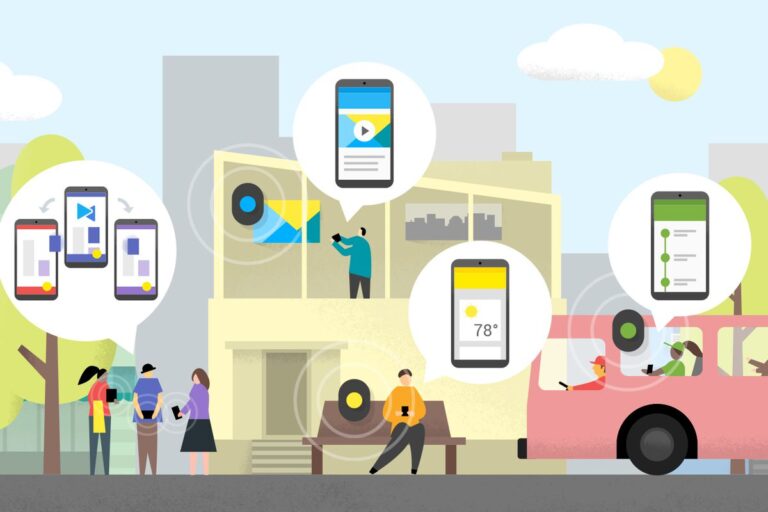
A traditional POS system keeps associates stuck behind a cash register, often resulting in long lines and rushed service. A modern POS system completely changes that. With POS software running on tablets and mobile devices, staff can help customers anywhere in the store. By a display. In a fitting room. Wherever the shopper already is.
Industry reports even predict that by the end of 2025, more than 85% of mid-size retailers will give their teams mobile POS tools. It’s easy to see why. Mobility makes service more human.
- Line-Busting: Associates can ring up a purchase right where the customer is standing, cutting down wait times.
- In-Aisle Checkout: A quick scan on a handheld tablet, a tap to pay or pay by link, and the customer is done.
- Personalized Service: With mobile access, staff can quickly pull up customer info and make helpful suggestions.
Tools like Veras Extend bring full register power to tablets and smartphones, so employees never lose access to important POS features while assisting shoppers on the floor. It keeps the experience fast and customer-friendly!
#2. Unified Inventory: Real-Time Visibility Across the Enterprise
Legacy POS solutions typically update inventory once a day, so the numbers you see during business hours are already out of date. That’s how you end up with phantom inventory; the system says an item is available, but it’s long gone. Without real-time syncing, nearly a third of stock records cannot be trusted.
A modern POS system fixes that. Modern POS software for retail store setups updates inventory instantly across all stores and warehouses. Associates always know what’s really in stock. If a shelf is empty, they can immediately search other locations or suppliers. This endless aisle approach lets staff order the item from another store and ship it straight to the customer, saving sales that would have disappeared otherwise.
Poor visibility is expensive. Tools like Veras OmniView give teams an enterprise-wide view of inventory, enabling them to execute orders, transfers, and lookups without delay.
#3. Omnichannel Execution: Connecting Online and Offline Worlds
Older POS setups treat online and in-store shopping like two different worlds. Each has its own database and its own process, not to mention its own headaches.
A modern POS system solves that by serving as a single hub for e-commerce, mobile, and brick-and-mortar. All orders and inventory, as well as customer info, flow through one place. That’s what makes today’s complex retail journey less stressful.
Take BOPIS, for example. A customer can place an order online and pick it up at the store that’s most convenient. Nearly 87% of retailers now offer this, and it only works when the systems are connected. The same goes for ship-from-store, where stores act as small fulfillment centers. It speeds up delivery and lowers shipping costs.
Unified returns are part of the picture, too. A modern POS system lets shoppers return an online order at any location without confusion. The system instantly recognizes the transaction because everything syncs across channels. A traditional POS system would need manual checks.
#4. Deep Personalization: Integrated CRM and Clienteling
A legacy point-of-sale system treats every purchase as if it were from a stranger. There’s no built-in way to understand who the shopper is or what they like. But with a modern POS system that provides CRM data within the checkout screen, associates can instantly see a customer’s past purchases and loyalty status. It makes service feel personal instead of generic.
And yes, shoppers actually want this. More than half say they’re happy to share their information if it means getting offers that fit them. Retailers see the impact, too. With clienteling tools in place, data collection shoots up, and customer retention climbs.
In real life, this looks simple. The POS might highlight that a customer often buys a particular brand, or suggest a few smart add-ons. Loyalty rewards can be applied with no extra work. Tools like Veras Reach and Affinity turn all the data into prompts that help associates make thoughtful suggestions.
#5. Rapid Scalability and Security Without Hardware Bloat
Growing on a legacy POS setup can feel like dragging an old suitcase around. Every new store or checkout means buying more hardware and dealing with manual software updates that slow things down. A modern POS completely flips that experience.
With modern architecture, scaling is almost plug-and-play. New terminals or stores can come online simply by installing the POS app on tablets or lightweight devices. Everything just connects.
Updates and security patches happen automatically in the background. There’s no need for someone to run around installing fixes at each location. The system stays current on its own. And because encryption and threat monitoring are built in, sensitive data remains protected without adding extra work for the retailer.
Veras Retail’s platform handles scaling and security behind the scenes, giving retailers a high-availability setup that’s always secure and never weighed down by bulky equipment.
To Wrap Up
Modern POS vs traditional POS isn’t just about cool new features anymore. It’s about whether a business can grow, compete, and meet the expectations shoppers bring with them every day. Today’s cutting-edge POS turns the register into a data-driven tool that supports line-busting service, unified inventory, seamless omnichannel journeys, and personalized selling.
Upgrading to an integrated solution, such as the ones we offer at Veras Retail, helps retailers future-proof their operations. We bring stores, online channels, and customer data together in one place, so everything works as a single system instead of a patchwork.
FAQs
1. What is Veras Extend?
Veras Extend is the mobile POS tool in the Veras Retail family. It runs on tablets and smartphones so that frontline workers can check out customers anywhere in the store. They can scan items, pull up customer profiles, and finish transactions on the spot. It’s real line-busting power without being tied to a fixed register!
2. How does Veras OmniView work?
OmniView gives employees an instant, enterprise-wide inventory search. A team member can look up an item and see stock levels across all stores and warehouses. If the local store is out, they can start a transfer or place a sale from another location. It’s the backbone of the endless aisle experience, ensuring customers always have options.
3. How does Veras Reach and Affinity enable personalization?
Veras Reach and Affinity act as the CRM and clienteling layer. They pull customer history, preferences, and loyalty details right into the POS. When a customer checks out, the modern POS system suggests helpful add-ons or reminders, like accessories they’ve bought before or loyalty points they can redeem. It turns interactions into more personal moments.
4. Can Veras Retail scale with my business and keep my data secure?
Unlike traditional POS systems, Veras Retail is designed to scale fast. You can add new terminals or stores without buying extra servers or dealing with complicated installs. Software and security patches roll out automatically across every device. We also handle encryption and compliance behind the scenes, so your data stays protected without extra work from your IT team.